Plenary Speakers
Irene Cadime
(School of Psychology, University of Minho, Portugal)
Why do some children respond to reading intervention and others do not? Factors involved and challenges for education
Learn More
In the context of inclusive education advocated by Decree-Law No. 54/2018, which supports the participation and learning of all students through support measures tailored to their needs, early identification and intervention in reading difficulties are particularly relevant. However, despite significant advances in this field, there is considerable variability in the results achieved by children. While some show rapid and sustained progress, others demonstrate a limited response, even when participating in evidence-based programmes. Understanding the reasons underlying these differences is one of the main challenges for research and educational practice. This conference will present the main factors associated with response to intervention, including children’s cognitive and linguistic characteristics, the presence of concomitant difficulties, motivational and socio-emotional factors, as well as aspects related to the family and school context. Recent research findings that help explain why children with apparently similar profiles may follow different learning trajectories will also be discussed. From a multidisciplinary perspective, the implications of this knowledge for assessment, educational decision-making and the construction of more individualised and effective responses will be analysed. The conference will thus seek to contribute to an informed reflection on how to promote success in reading acquisition and respond to the diversity of needs that characterise today’s classrooms.
Speaker
Irene Cadime
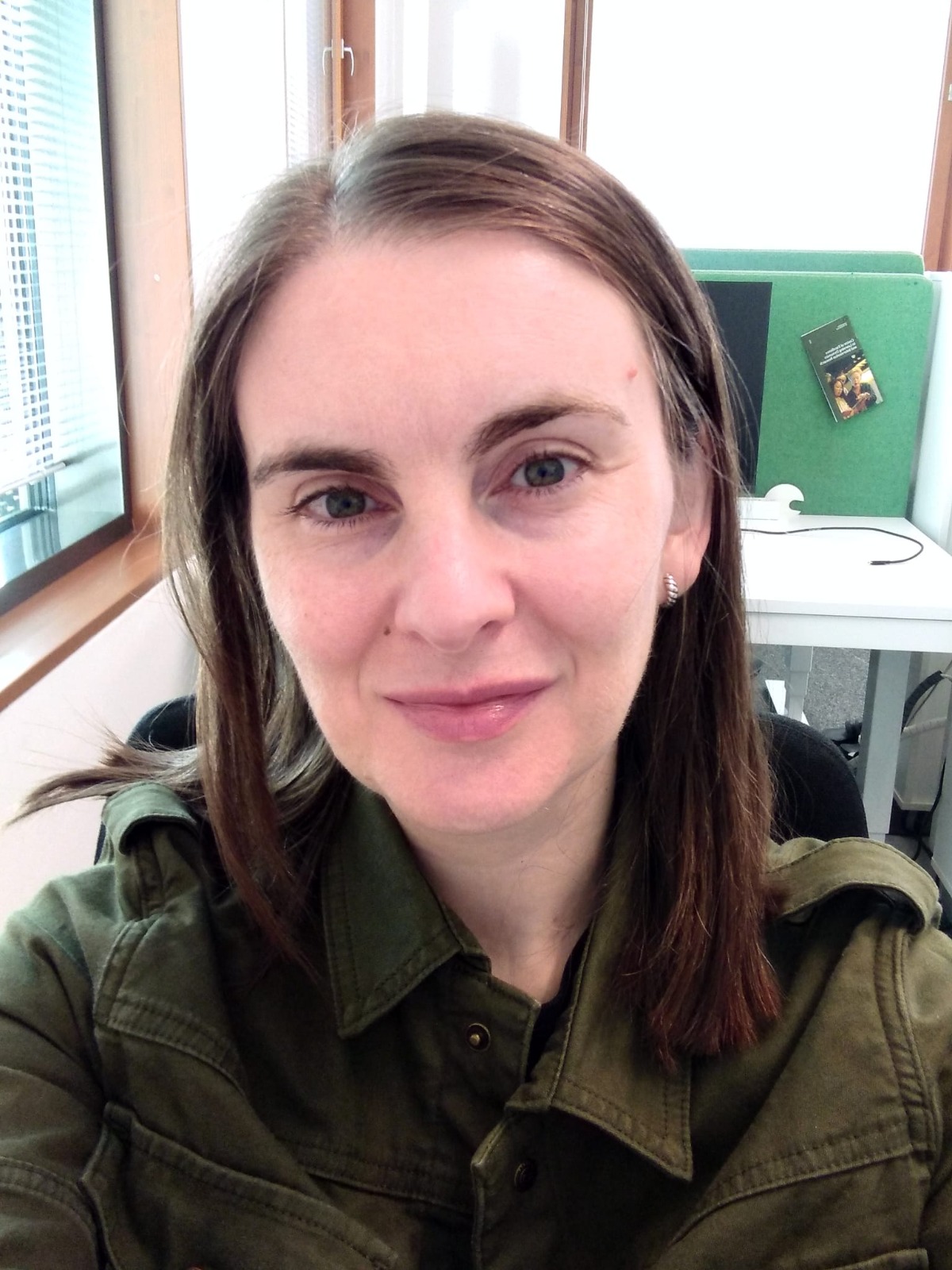
Irene Cadime is an Assistant Professor at the School of Psychology of the University of Minho and a Researcher in the areas of child development, learning difficulties and psychological assessment. She holds a PhD in Educational Psychology from the University of Minho and her research focuses on the factors influencing reading acquisition, response to intervention, language development, and the construction and validation of assessment instruments. She is the author of numerous scientific articles, books and book chapters published in leading international journals and publishing houses, and regularly collaborates on national and international research projects dedicated to promoting literacy and educational success.
Enrique Martín-Criado
(Universidad Pablo de Olavide, Seville, Spain)
The drifts of critical sociology of education
Learn More
Critical sociology of education has made important contributions to understanding class dynamics in the education system. However, the emphasis on political critique can lead to dangerous drifts for sociological analysis. This lecture will focus on these drifts, especially “critical functionalism”. These drifts are explained by symbolic disputes within the space of the left: the more “critical” and “sophisticated” one is in critique, the greater the prestige accumulated.
Speaker
Enrique Martín-Criado
Enrique Martín-Criado is a Spanish sociologist and Full Professor at the Universidad Pablo de Olavide in Seville. He earned his PhD in Sociology from the Universidad Complutense de Madrid with the thesis Estrategias de juventud, later published under the title Producir la juventud. Throughout his career he has also taught at the universities of Granada and Seville. His research spans social theory, sociology of education, qualitative methodology, family dynamics and labour relations. Among his publications, the book La escuela sin funciones: crítica de la sociología de la educación crítica (2010) stands out. More recently, in the text “Tres derivas de la sociología crítica” (2024), he explores how the emergence of an inculpatory, conspiratorial and populist rationality reflects the lack of self-criticism in critical theory, creating epistemological shortcuts and traps that compromise the consistency and the very transformative potential of the study of education.
Cleyton Hércules Gontijo
(University of Brasília – UnB, Brazil)
From research to practice: fostering critical and creative thinking in mathematics in school contexts
Learn More
This lecture discusses the urgency of transitioning from a teaching model based on repetition and memorization to an approach that prioritizes the development of creative and critical thinking in mathematics. The theoretical framework is grounded in the core elements of creativity research: the person (the student’s creative potential), the process (the cognitive strategies deployed), the product (the originality and utility of the solutions), and the environment (a classroom climate that encourages doubt and discovery). An intervention model based on workshops designed to stimulate creative and critical thinking in mathematics will be presented, using mathematical problem-solving, problem-posing, and problem-redefinition as its central pillars. The objective is to provide theoretical and practical insights to transform the classroom into an investigative ecosystem, where knowledge means, above all, paving the way for autonomous, authentic learning that is deeply connected to contemporary challenges.
Speaker
Cleyton Hércules Gontijo
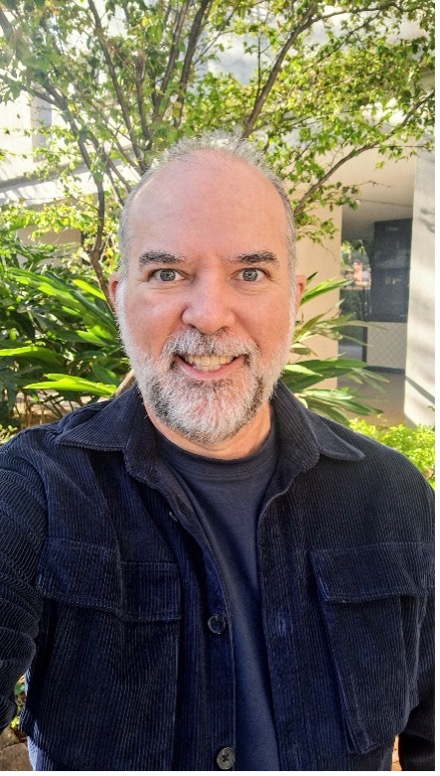
Cleyton Hércules Gontijo is a Full Professor in the Department of Mathematics at the University of Brasília (UnB). He teaches in the National Professional Master’s Programme in Mathematics (PROFMAT), the Graduate Programme in Education at UnB (Master’s and PhD), and the Graduate Programme in Mathematics Education in Tocantins. He holds a Bachelor’s degree in Science and Mathematics from the University Centre of Brasília, a Master’s degree in Education from the University of Brasília, and a PhD in Psychology from the University of Brasília (2007). He leads the research group PI: Research and Investigations in Mathematics Education. He has experience in the field of Mathematics, with an emphasis on Mathematics Education, focusing mainly on creativity in mathematics, critical and creative thinking in mathematics (problem-solving, problem-posing, and problem-redefinition), and assessment in mathematics.
Rui Marques
(Instituto Padre António Vieira, Portugal)
Relational Education – Returning to the Essentials
Learn More
Relational Education invites us to return to the essentials: recognizing that learning and teaching are deeply human processes built upon relationships. In this conference, we will reflect on the role of trust, listening, belonging, and cooperation in learning and well-being. Furthermore, we will discuss how Universitary Schools of Education can prepare professionals capable of creating relationships that welcome, challenge, and foster growth.
Speaker
Rui Marques
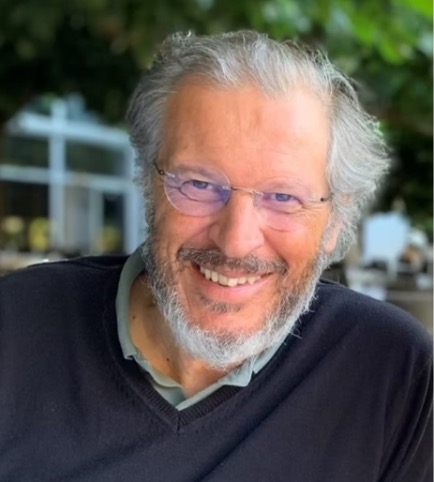
Rui Marques holds a degree in Medicine from the Faculty of Medicine of the University of Lisbon, a Master’s degree in Communication Sciences and Cultural Industries from the Faculty of Human Sciences of the Universidade Católica Portuguesa, and a PhD in Economic and Organisational Sociology from the Instituto Superior de Economia e Gestão (ISEG). In his doctoral research, he explored integrated governance models using the National Immigrant Support Centre and the Amadora Child and Youth Protection Commission as case studies. He served as Programmes Director for Canal 1 and RFM, and Deputy Director of TVI. He promoted social and political intervention initiatives such as the “Missão Paz em Timor” – Lusitânia Expresso and was appointed Deputy High Commissioner for Immigration and Ethnic Minorities in 2002. He is a Board Member of Forum Estudante, directs the Instituto Padre António Vieira, and coordinates the Academia de Líderes Ubuntu.
Rogério Costa
(School of Education and Social Sciences, University of Leiria and Oeste, Portugal)
Who reviews the reviewer? Artificial Intelligence, judgment, and responsibility in knowledge construction
Learn More
In August 2026, MIT published the report of its Ad Hoc Committee on AI Use in Teaching, Learning, and Research Training. One of its guiding principles is humility: generative artificial intelligence became a widely used technology less than four years ago and has since expanded to virtually every domain, at a speed that complicates both the observation of its effects and institutional adaptation. The report admits that course corrections, some of them profound, will be inevitable. This condition poses a particular question to academia: how do we learn and teach when faced with a technology that continues to transform while we are still trying to understand its effects?
Generative artificial intelligence is already deeply integrated into academic work, with particularly widespread use among students: in the United Kingdom, 94% of undergraduate students surveyed in 2025 stated that they used it to support assessed work. Faculty and researchers also rely on these systems for tasks involving teaching, assessment, research, and scientific writing. Even peer review is beginning to be affected: in 2025, Nature reported cases of manuscripts containing hidden instructions designed to influence AI tools used in the review process.
It is within this context that the ability to work critically with AI gains particular relevance. The 4D AI Fluency Framework, developed by Professors Rick Dakan and Joseph Feller in collaboration with Anthropic, organizes this relationship into four interconnected competencies: Delegation, Description, Discernment, and Diligence. The AI Fluency Index, published by Anthropic in 2026, used this framework to analyze 9,830 anonymized conversations with Claude. Only 8.7% of the conversations showed verification of facts or relevant claims, and 15.8% questioned the model’s reasoning. While these data do not measure the academic population, they reveal a central issue: using a tool with fluency does not guarantee a critical evaluation of what it produces.
The conference explores the four Ds through the demands of academic work: deciding what to delegate to AI, knowing how to describe the problem, critically evaluating the output, and taking responsibility for the result. For students, faculty, and researchers, these competencies translate into concrete practices of verification, cross-checking with evidence, questioning assumptions, confirming references, and recognizing situations where the tool should not be used.
This perspective carries unavoidable pedagogical and curricular implications. It forces us to rethink what we teach, how we teach, and how we assess when part of the intellectual operations can be delegated to AI systems. It requires making verification criteria explicit and creating opportunities to practice them. In a scenario where an instrument can already review, summarize, argue, or evaluate before we do, one question remains: who reviews the reviewer?
Speaker
Rogério Costa
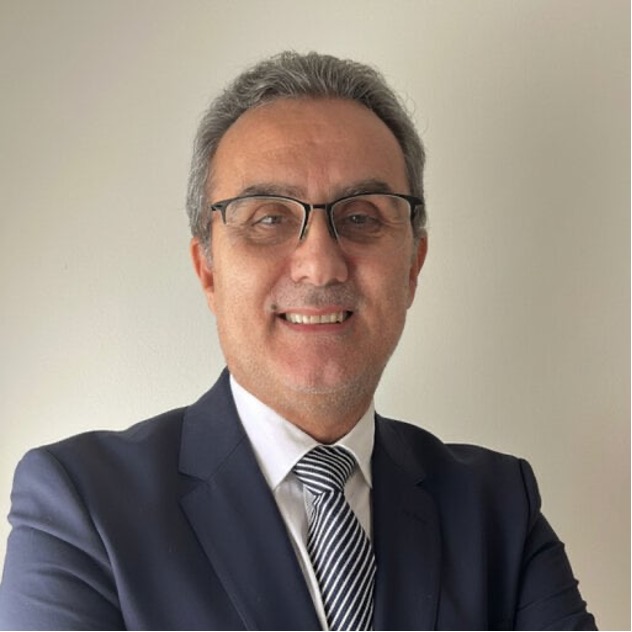
Rogério Paulo Pais da Costa is an adjunct professor at the School of Education and Social Sciences at the University of Leiria and Oeste, where he heads the Department of Mathematics and Natural Sciences. He is a member of the National Council for Pedagogical Innovation in Higher Education (CNIPES) and coordinates the Educational Technologies Group at MetaRed TIC Portugal. Between 2002 and 2006, he served as vice president of the board of directors of the Leiria School of Education, where he established the Resource Center for Digital Inclusion (CRID) and coordinated the program on the Pedagogical Use of ICT in public elementary schools in the Leiria district. In 2006, he took over as director of the Distance Learning Unit (UED), where he developed the institution’s first distance learning bachelor’s and master’s degree programs. From 2013 to 2015, he served as a consultant to the Angolan Ministry of Education in Luanda in the areas of distance education and educational technologies. His areas of interest include communities of practice, educational technologies, distance.
Plenary Session Discussants
Pedro Silva — Discussant of the Conference by Enrique Martín-Criado
Full Professor at the School of Education and Social Sciences of the University of Leiria and Oeste, an integrated researcher at the Centre for Educational Research and Intervention at the Faculty of Psychology and Educational Sciences at the University of Porto, and a researcher at CICS.NOVA.IPLeiria. He holds a degree in Sociology from ISCTE and a Master’s in Social Analysis of Education from Boston University, having obtained his PhD and habilitation in Education Sciences from the University of Porto. With ethnographic experience, he develops research into the school-family relationship, intercultural education and mediation, and information and communication technologies in socio-educational contexts.
Miguel Ribeiro — Discussant of the Conference by Cleyton Hércules Gontijo
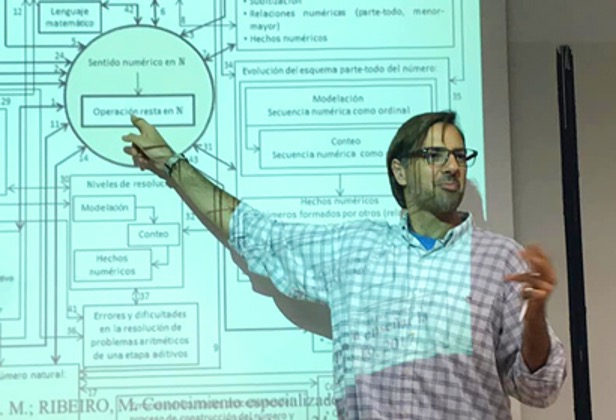
Miguel Ribeiro holds a bachelor’s degree in Mathematics from the Universidade da Beira Interior, a master’s degree in Pure Mathematics from the Universidade de Coimbra, and both a master’s and a PhD in Mathematics Education from the University of Huelva (Spain). He is a Professor at the Universidade Estadual de Campinas – UNICAMP (Brazil). He has developed three post-doctoral projects related to teacher training, technologies and textbooks, the improvement of teaching and learning quality in mathematics, and assessment and feedback. Among other activities and roles, he is the editor of Zetética, an elected representative of Brazil as a member of the international committee of the International Group for the Psychology of Mathematics Education, and co-chair of the Red Iberoamericana de Conocimiento Especializado del Profesorado de Matemáticas.
José Carlos Marques — Discussant of the Conference by Rui Marques
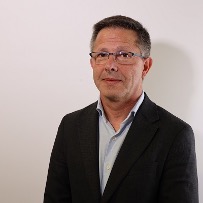
José Carlos Marques holds a PhD in Sociology from the University of Coimbra and a Habilitation in Sociology from the Universidade Nova de Lisboa. He is a Full Professor – and, since May 2025, the Dean – of the School of Education and Social Sciences at the Polytechnic University of Leiria, where he teaches in the fields of Sociology and Research Methodology. He is a full researcher at the Interdisciplinary Centre for Social Sciences (CICS.NOVA), and his research interests focus on Portuguese emigration, immigration in Portugal, Portuguese immigration policies, highly skilled migration, and the integration process of immigrants into Portuguese society.
Graça Sêco — Discussant of the Conference by Irene Cadime
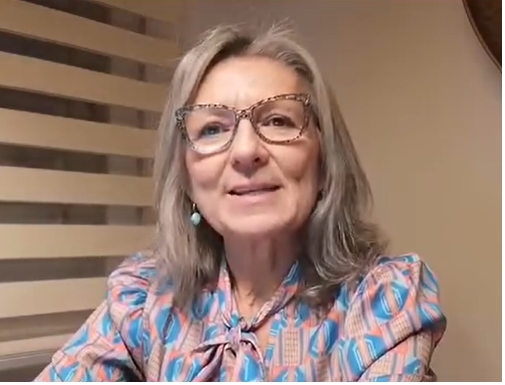
Graça Sêco is an Associate Professor at ESECS-ULO. She holds a degree in Psychology, as well as a Master’s and a PhD in Educational Sciences from the Faculty of Psychology and Educational Sciences of the University of Coimbra, where she also taught. Between 2008 and 2024, she served as the Coordinator of the Student Support Service at ESECS-IPL. Among numerous scientific publications, she is the co-author of Special Educational Needs: Support Manual for Teachers (2021) and “Psychological Support Services in Higher Education: Contextualization, Current Status, and Future Challenges” (2024). Her areas of expertise and research focus primarily on the promotion of academic success, adaptation and transition to higher education, social support, and psychological/psychopedagogical support for students.
Rita Cadima — Discussant of the Conference by Rogério Costa
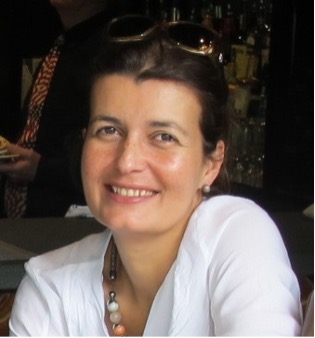
Rita Cadima holds a PhD in Multimedia Engineering and is a Coordinator Professor at the University of Leiria and Oeste. She is an integrated member of CIDMA – Centre for Research & Development in Mathematics and Applications. She has participated in several funded R&D projects and her main research areas include e-Learning, Mathematics Education, Technology-Supported Collaborative Learning, and Innovation and Knowledge Sharing in Educational Contexts. She was Vice-President of the Polytechnic of Leiria (2014–2022), Director of the Distance Learning Unit (2013–2018) and Coordinator of the Master’s Degree in Pedagogical Use of ICT (2010–2014).
PARTICIPANTS | ROUNDTABLE
Lenses, Ministers and Prophets: the School between Science, Politics and Culture
Tiago Brandão Rodrigues
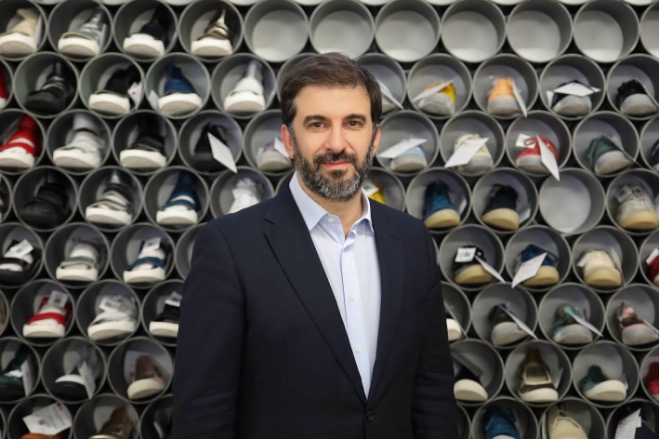
Tiago Brandão Rodrigues (1977) grew up in Paredes de Coura and is currently Director-General of the Kyaia Group and Invited Full Professor of Social, Political and Territorial Sciences at the University of Aveiro. He is also President of the General Council of the Polytechnic University of Viana do Castelo, and President of the Ethics Council of the Olympic Committee of Portugal. He served as Minister of Education, also responsible for Youth and Sport (2015–2022), and subsequently as a Member of the Portuguese Parliament, where he chaired the Parliamentary Committee on the Environment and Energy (2022–2024). Between 2010 and 2015, he worked as a cancer researcher at the University of Cambridge. He holds a PhD in Cerebral Metabolism and a degree in Biochemistry, having conducted his doctoral research in collaboration with research centres in Dallas, Madrid and Coimbra. He also served as Olympic Attaché to the Portuguese delegation during the London 2012 Olympic Games.
Paulo Peixoto
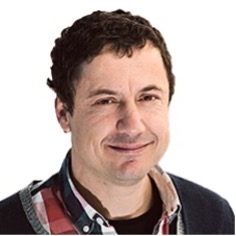
Paulo Peixoto is an Associate Professor with Habilitation at the Faculty of Economics of the University of Coimbra and a researcher at the Centre for Social Studies, where he integrates the thematic line “Urban Cultures, Sociabilities and Participation”. He is Pro-Rector of the University of Coimbra for pedagogical innovation, inclusive policies, volunteering, and student residences (repúblicas). He is a member of the Ethics Committee of the University of Coimbra and serves on the National Council for Pedagogical Innovation in Higher Education. He previously served as President of the Portuguese Sociological Association, Student Ombudsman of the University of Coimbra, Executive Director of the Centre for Social Studies, Coordinator of the Observatory for Education and Training Policies (OP.Edu), and President of the National Union for Higher Education (SNESup).
Tiago de Oliveira Cavaco
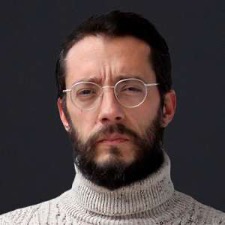
Tiago de Oliveira Cavaco holds a degree in Communication Sciences from Universidade Nova de Lisboa and studied Theology at the Baptist Seminary of Queluz. Founder of the record label FlorCaveira in 1999, he worked in television for a decade, contributed literary criticism to the magazines Atlântico and Ler, and is a columnist for Observador. He is a Baptist Pastor and, since 2007, has dedicated himself to planting new churches and revitalizing old ones. He published his first book in 2013, titled Felizes Para Sempre e Outros Equívocos Acerca do Casamento (Happily Ever After and Other Misconceptions About Marriage), and since then, his subsequent titles have been published mainly in Brazil.
Dina Alves — Roundtable Moderation
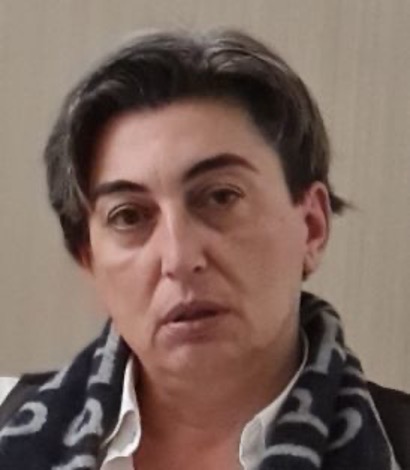
Dina Alves is an Assistant Professor at the School of Education and Social Sciences of the University of Leiria and Oeste and an integrated researcher at the Centre for the History of Society and Culture of the University of Coimbra. She holds a PhD in Modern History from the Faculty of Arts and Humanities of the University of Coimbra, with the thesis Violence, Criminality, and Justice in Rural Societies in the Modern Age: The Municipality of Óbidos, 1736-1806. Particularly framed within the history of practices, ideas, and institutions in the Modern Age, her research focuses on topics such as crime and justice, violence and sociability, education and local history.
SEMINÁRIO
Teaching Values, Creating Change: a practical approach to equality and social innovation
Sinopse
How can European values be transformed into concrete learning experiences? In this workshop, participants will explore equality as a democratic value and a starting point for social innovation in education. Drawing from real-world situations experienced in educational contexts, they will be invited to identify challenges related to inequality, participation, and inclusion. Based on the Social Innovation Competence Framework, developed within the scope of the EU-SIDE project, participants will recognize the social innovation competences needed to address these challenges and design a simple, applicable classroom activity. The workshop adopts a practical and participatory approach, linking European values, educational challenges, social innovation competences, and pedagogical action. The goal is for each participant to leave the session with a concrete proposal that they can adapt to their own educational context.
Susana Sardinha Monteiro
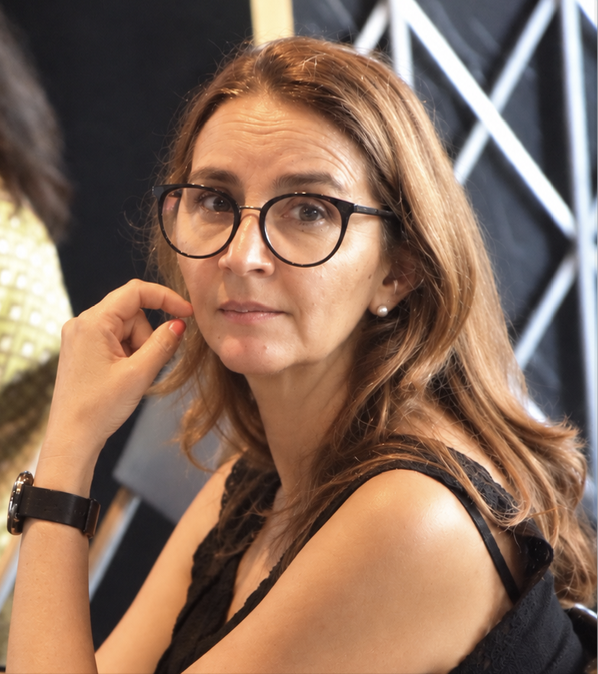
Susana Sardinha Monteiro holds a PhD, a Master’s, and a Bachelor’s degree in Law. She is an Assistant Professor at the University of Leiria and Oeste, an integrated researcher at the Portucalense Legal Institute (Leiria Branch), and a collaborating researcher at the Centre for Studies in Education and Innovation (CI&DEI). Her main research interests focus on European Union Law, Alternative Dispute Resolution, and Education, with a particular interest in the relationships between European citizenship, democratic values, and education, as well as academic success, pedagogical innovation, and quality in higher education. She has developed scientific work in these fields, with publications in national and international books and journals, and has participated as a speaker in several conferences.
Dina Tavares
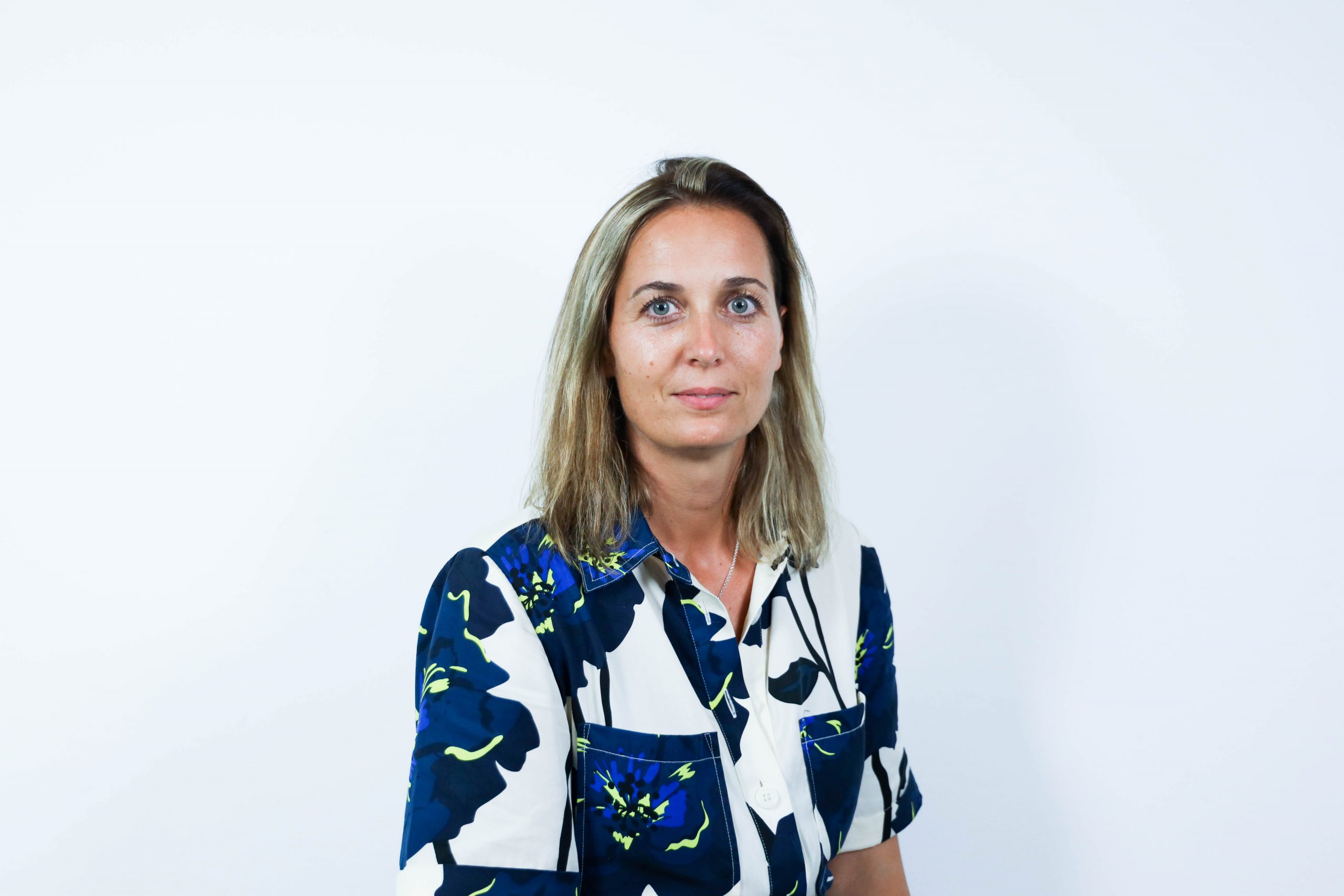
Dina Tavares holds a PhD in Mathematics and Applications and is an Assistant Professor at the University of Leiria and Oeste. She is a researcher at CIDMA — Center for Research and Development in Mathematics and Applications and at CI&DEI — Centre for Studies in Education and Innovation. She conducts research and intervention in the areas of Mathematics Education, teacher training, computational thinking, STEM/STEAM, pedagogical innovation, and fractional calculus. She has participated as a researcher and team leader in several national and international projects in the fields of education, teacher training, and curriculum development, namely within international cooperation contexts (Cape Verde, Mozambique, Angola, Timor-Leste). She is the coordinator of the Erasmus+ projects EU-SIDE, ELEVATE-WISE, and EURO4VET. She served as Vice-Dean and Acting Dean of the School of Education and Social Sciences (2021-2025).
Hugo Menino
Hugo Menino is an Associate Professor at the University of Leiria and Oeste. He holds a PhD in Teacher Training and is an integrated researcher at the Centre for Research in Education and Innovation. He has participated in several R&D projects funded by the Portuguese Foundation for Science and Technology (FCT) and in European projects within the fields of didactics and teacher training. He is the author of numerous scientific articles, books, and book chapters published in leading national and international journals and publishing houses. He also has extensive experience in international projects in the field of education for development, external school evaluation, as well as leadership and management roles, having served, among others, as vice-dean, coordinator of undergraduate and postgraduate courses, department coordinator, and president of the pedagogical council.
Rita Cadima
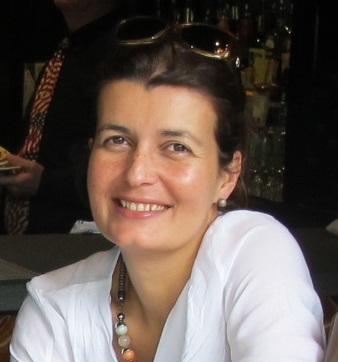
Rita Cadima holds a PhD in Multimedia Engineering and is Associate Professor at the University of Leiria and Oeste. She is an integrated member of CIDMA – Centre for Research & Development in Mathematics and Applications. She had participated in several funded R&D projects and her main research areas include e-Learning, Math Education, Technology Supported Collaborative Learning and Innovation and Knowledge Sharing in Educational Contexts. She was Vice-President of the Polytechnic of Leiria (2014-2022), Director of the Distance Learning Unit (2013-2018) and Coordinator of the Master’s Degree in Pedagogical Use of ICT (2010-2014).